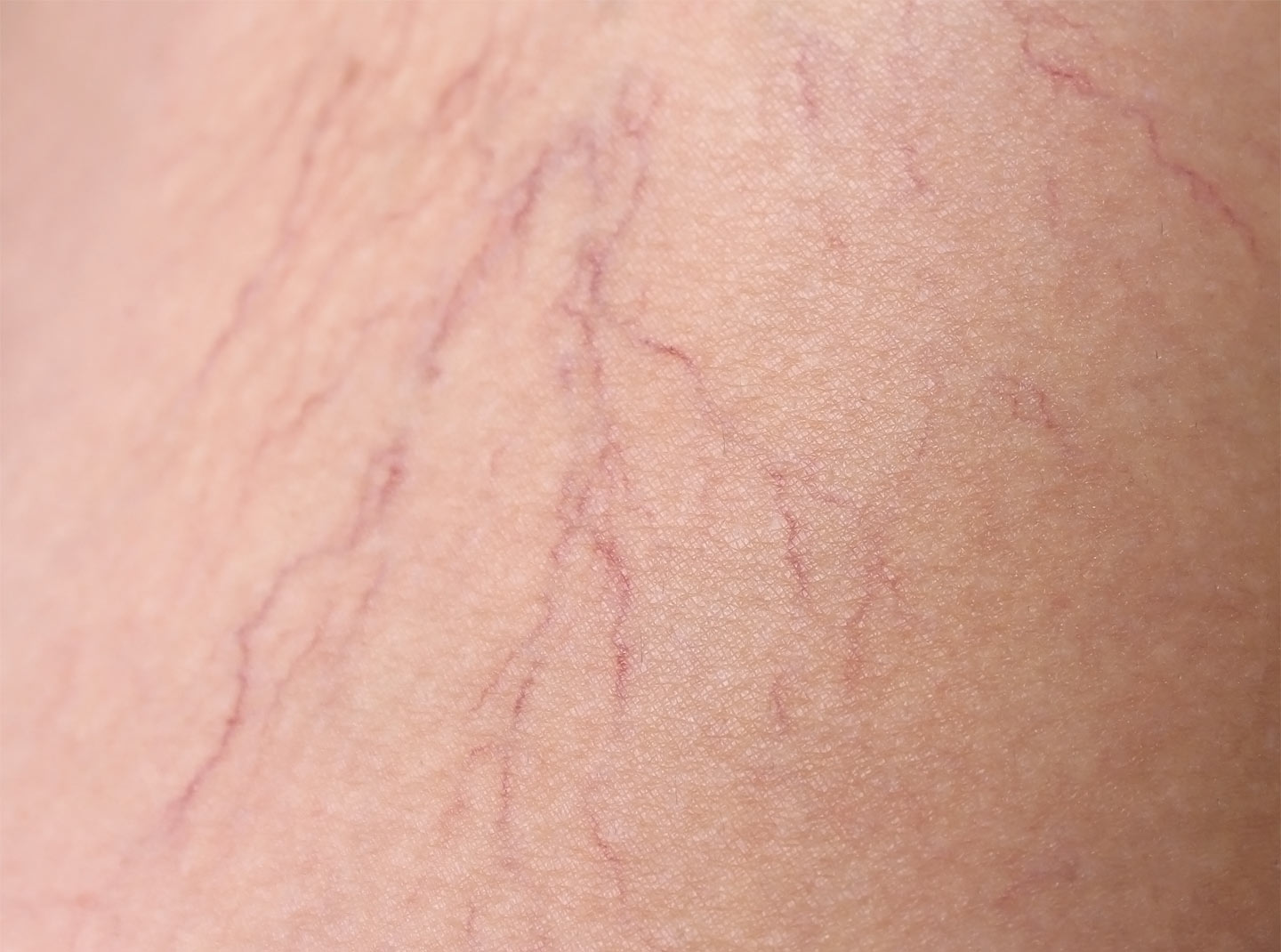
Spider veins—those small, thin, web-like blood vessels that appear just beneath the surface of the skin—are extremely common, especially on the legs. While they are usually harmless, many people feel self-conscious about their appearance or experience uncomfortable symptoms. Understanding what causes spider veins and how to treat them can help you make informed decisions about your vein health.
What Are Spider Veins?
Spider veins, also known as telangiectasias, are dilated blood vessels that develop when tiny valves inside the veins weaken. These valves normally help regulate blood flow back toward the heart. When they fail to function properly, blood can pool inside the vein, causing it to enlarge and become visible through the skin. Spider veins typically appear red, blue, or purple and form thin lines that resemble a spider web or branching tree.
Common Causes of Spider Veins on the Legs
A variety of factors contribute to the development of spider veins. One of the most significant is genetics—if your parents or grandparents had vein issues, your chances of developing spider veins are much higher. Hormonal changes are another major cause, especially during pregnancy, menopause, or while taking birth control pills. Shifts in hormone levels can weaken vein walls and valves over time.
Age also plays a role. As you get older, veins naturally lose elasticity, making them more susceptible to damage. Prolonged standing or sitting, common in many occupations, increases pressure in leg veins and contributes to vein dilation. Other risk factors include obesity, sun exposure, injury, and previous blood clots.
Symptoms to Watch For
Many people have no symptoms other than visible veins. However, some individuals experience aching, burning, or throbbing sensations in the legs, especially after long periods of standing. Mild swelling, heaviness, or restlessness in the legs may occur as well. Although spider veins are generally harmless, persistent discomfort should be discussed with a vein specialist., as they be a symptom of underlying varicose veins.
Treatment Options for Spider Veins
Modern treatment options are safe, effective, and minimally invasive. The most popular method is sclerotherapy, a procedure in which a specially formulated solution is injected into the affected vein, causing it to collapse and fade over time. Multiple sessions may be needed depending on the number and size of the veins.
How to Prevent Spider Veins
Lifestyle changes can help reduce the risk of developing new spider veins. Regular exercise, maintaining a healthy weight, and avoiding long periods of inactivity can significantly improve circulation. Limiting sun exposure and protecting the skin with sunscreen can prevent facial and leg spider veins as well. Unfortunately spider and varicose veins are a progressive condition and there is no ultimate prevention method available.
When to Seek Professional Help
If spider veins cause discomfort, affect your confidence, or seem to be worsening, consulting a vein specialist in The Vein Centre can help you explore treatment options tailored to your needs. With modern therapies and preventive habits, you can restore comfort, confidence, and healthier-looking legs.
.